How to Choose High Zinc Galvanized Steel Coil for Outdoor Fabrication and Longer Service Life
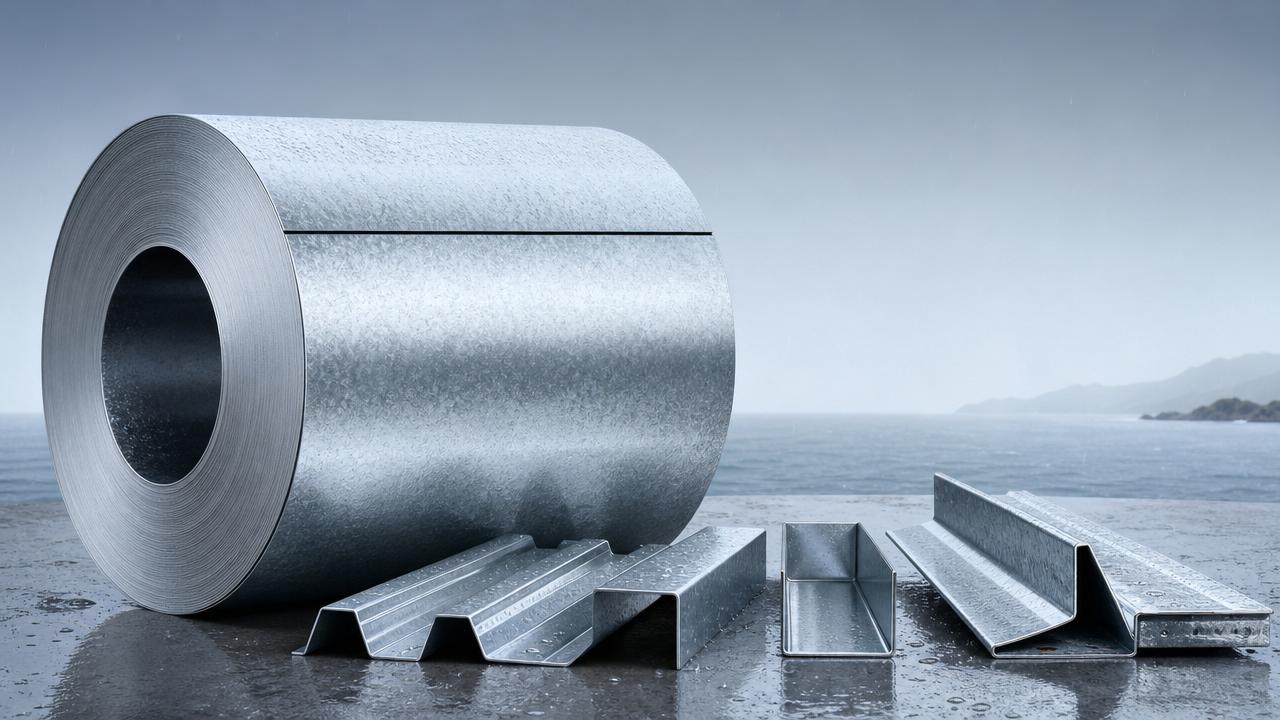
Choosing the right High zinc galvanized steel coil matters when outdoor fabrication faces rain, humidity, salt, heat, and daily wear.
A poor material choice often leads to early rust, coating damage, repeated repairs, and higher lifetime cost.
A better choice improves service life, keeps parts stable, and reduces maintenance pressure during real use.
This guide explains how to evaluate High zinc galvanized steel coil for outdoor fabrication with practical checks and decision points.
Why High Zinc Coating Matters Outdoors
Outdoor steel fails mainly because moisture and oxygen keep attacking exposed surfaces over time.
High zinc galvanized steel coil adds a thicker protective layer, which slows corrosion and shields the base steel longer.
This becomes more important in coastal zones, industrial areas, farms, and places with strong seasonal rainfall.
From a practical view, zinc coating works as both a barrier and a sacrificial protection layer.
That means the steel underneath stays protected even when small scratches appear during forming or installation.
Still, not every galvanized product performs the same, and coating weight directly affects long-term outdoor durability.
Typical outdoor risks
- Standing water on bends, overlaps, and fastener zones
- Salt spray near roads, ports, or coastal facilities
- Acidic or alkaline contaminants in industrial environments
- Coating damage during roll forming, cutting, or welding
- Poor storage that causes white rust before fabrication starts
Start With the Real Application Environment
Before comparing suppliers, define where the fabricated part will actually work and how severe the exposure will be.
This step sounds basic, but it often decides whether High zinc galvanized steel coil delivers the expected service life.
For example, rooftop drainage parts face different risks than fencing, solar structures, farm sheds, or cable trays.
A dry inland project may accept a moderate coating range, while marine exposure usually requires a higher zinc mass.
Questions worth asking first
- Will the part face direct rain, splash water, or condensation?
- Is the site near the sea, chemicals, fertilizer, or heavy traffic?
- Will the steel be bent sharply, punched, or welded?
- How many years of service life are expected?
- Is repainting or frequent maintenance realistic later?
Clear answers help match coating level, base metal thickness, and surface quality to the real job instead of guesswork.
Check Zinc Coating Weight, Not Just the Product Name
The phrase High zinc galvanized steel coil sounds promising, but performance depends on verified coating weight.
Ask for the zinc coating specification in grams per square meter, not a general sales description.
In outdoor fabrication, higher zinc mass usually supports longer corrosion resistance when all other factors stay similar.
Common decision ranges may include Z180, Z275, or higher, depending on environment and expected life.
A lower-cost coil may look similar at delivery, yet perform very differently after months outdoors.
What to confirm on documents
- Coating designation and test method
- Single-side or total coating mass
- Applicable standard such as ASTM, EN, or JIS
- Mill test certificate and batch traceability
- Tolerance details for thickness and width
If a supplier cannot clearly state the coating mass, material consistency becomes harder to trust.
Inspect Surface Quality Before Fabrication Begins
Surface condition affects both appearance and corrosion performance, especially after forming, cutting, and assembly.
High zinc galvanized steel coil should show a clean, reasonably uniform surface without serious defects.
Minor spangle differences may be acceptable, but deep scratches, bare spots, stains, or edge damage are warning signs.
More importantly, hidden storage damage can shorten service life before the coil even reaches production.
Watch for these problems
- White rust caused by trapped moisture during storage
- Roll marks or pressure marks that affect forming
- Uneven coating near edges
- Oil contamination that interferes with later painting
- Damaged coil packaging and wet inner wraps
Early inspection saves time because coating defects are much easier to handle before fabrication starts.
Match the Coil to Forming, Cutting, and Joining Needs
Outdoor durability is not only about coating mass. Processing behavior also matters.
If the material cracks on tight bends, protection weakens exactly where water tends to stay longer.
That is why High zinc galvanized steel coil should be selected with forming radius, yield strength, and fabrication method in mind.
For profiles, brackets, ducts, enclosures, and outdoor frames, a balanced combination often works better than simply choosing the thickest coating.
Fabrication checks that reduce failure
- Confirm minimum bend radius with the supplier
- Check edge condition after slitting
- Protect cut edges in severe environments
- Control welding heat and clean welded zones properly
- Avoid sharp design details that trap water
In real production, many corrosion complaints start from design and processing details, not from the coil alone.
Compare Suppliers on Consistency, Not Only Price
Price matters, but inconsistent quality usually costs more after installation and field exposure.
A reliable supplier of High zinc galvanized steel coil should provide stable coating control, clear documentation, and responsive technical support.
This is especially important when the same part must be produced across multiple batches or long projects.
Useful supplier evaluation points
A cheaper offer becomes less attractive when scrap, rework, and field complaints begin to rise.
Storage and Handling Also Affect Service Life
Even the right High zinc galvanized steel coil can lose value if stored carelessly.
Condensation between coil layers may create white rust, and rough handling can expose the base steel.
This also means service life depends on what happens after delivery, not only what leaves the mill.
Simple handling rules
- Store coils in dry, ventilated indoor space
- Keep packaging intact until use
- Avoid direct ground contact
- Use proper lifting tools to prevent edge damage
- Process older stock first when possible
These habits are simple, but they make a visible difference in outdoor performance later.
A Practical Selection Path for Longer Service Life
A smart decision usually follows a clear sequence rather than a single price comparison.
- Define the outdoor environment and corrosion severity.
- Set the target service life and maintenance expectation.
- Choose the required coating mass for that exposure level.
- Match strength and formability to the fabrication process.
- Inspect surface quality and packaging on arrival.
- Control storage, cutting, bending, and installation details.
When these steps stay connected, High zinc galvanized steel coil delivers better value and fewer outdoor failures.
The best choice is not simply the thickest or cheapest coil.
It is the material that fits the environment, the fabrication method, and the expected service life with consistent quality control.
Use this checklist during sourcing and production review, and better outdoor durability becomes a more predictable result.
Get real-time quotes
Interested? Leave your contact details.