Inquiry
How Aluminum Extrusion Costs Changed After the 2026 EU Carbon Tariff—and Where Buyers Are Shifting Orders
Time : 13/07/2025
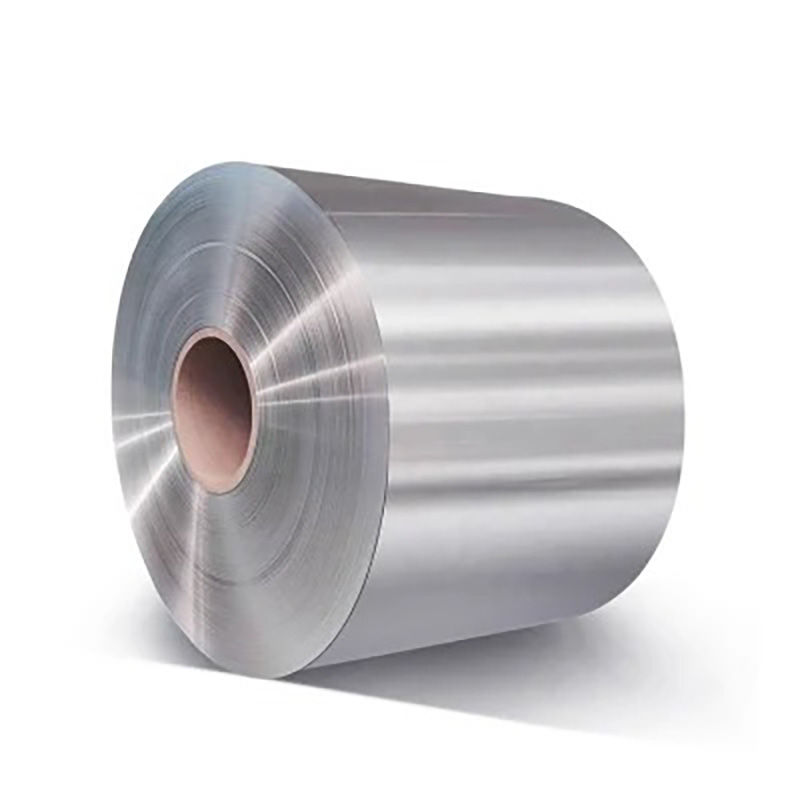
Since the EU Carbon Border Adjustment Mechanism (CBAM) officially took effect on January 1, 2026, the global aluminum extrusion industry has faced a profound cost reshuffle. As one of the six high-carbon industries targeted by CBAM, aluminum extrusion—widely used in construction, automotive, and renewable energy sectors—has seen significant cost increases, forcing buyers to adjust their procurement strategies and shift orders to mitigate risks and costs.
The core impact of the 2026 EU carbon tariff on aluminum extrusion costs lies in the mandatory carbon cost transmission. CBAM is essentially a “carbon price gap” levy, requiring importers to purchase CBAM certificates based on the embedded carbon emissions of imported aluminum products, with prices anchored to the EU ETS average annual price—which reached 80–100 euros per ton in 2025. For aluminum extrusion manufacturers exporting to the EU, especially those from regions with underdeveloped carbon pricing systems like China, the lack of carbon price deductions means they bear the full carbon cost, pushing up overall production costs by 12–18%.
Beyond direct carbon costs, compliance expenses further add to the burden. Manufacturers must establish comprehensive carbon accounting systems, conduct third-party verified carbon emissions audits, and complete regular reporting and certificate clearance—costs that are particularly onerous for small and medium-sized enterprises (SMEs) lacking carbon management experience. Additionally, aluminum extrusion’s high energy consumption in the melting and extrusion processes means higher embedded carbon emissions, leading to heavier CBAM levies compared to other aluminum products.
This cost surge has triggered a clear shift in buyer orders. EU buyers, seeking to avoid high carbon tariffs, are increasingly turning to two types of suppliers: EU-based manufacturers with low carbon footprints (benefiting from mature green energy adoption) and non-EU exporters from regions with established carbon pricing or lower emission intensities. For example, Turkish and Middle Eastern aluminum extruders, which use more natural gas and renewable energy, have seen a 25–30% increase in EU orders since early 2026.
Meanwhile, many global buyers are diversifying their supply chains, reducing reliance on EU-bound exports and shifting orders to markets unaffected by CBAM. Asian buyers, in particular, are increasing purchases from Chinese manufacturers that focus on domestic and non-EU markets, as these suppliers avoid CBAM costs and can offer more competitive prices. Some large EU importers are also renegotiating contracts, shifting carbon tariff costs to exporters or prioritizing low-carbon products despite higher prices.
The 2026 EU carbon tariff has not only raised aluminum extrusion costs but also accelerated the industry’s green transformation. While short-term cost pressures are significant, especially for SMEs, the shift in orders is rewarding low-carbon manufacturers and driving global aluminum extrusion suppliers to invest in green technologies. For buyers, the new normal means balancing cost, compliance, and sustainability—a trend that will reshape the global aluminum extrusion supply chain for years to come.
Get real-time quotes
Interested? Leave your contact details.