
Inquiry
Copper vs Aluminum for Electrical Wiring: Which Material Delivers Better ROI in Commercial Builds?
Time : 01/04/2026
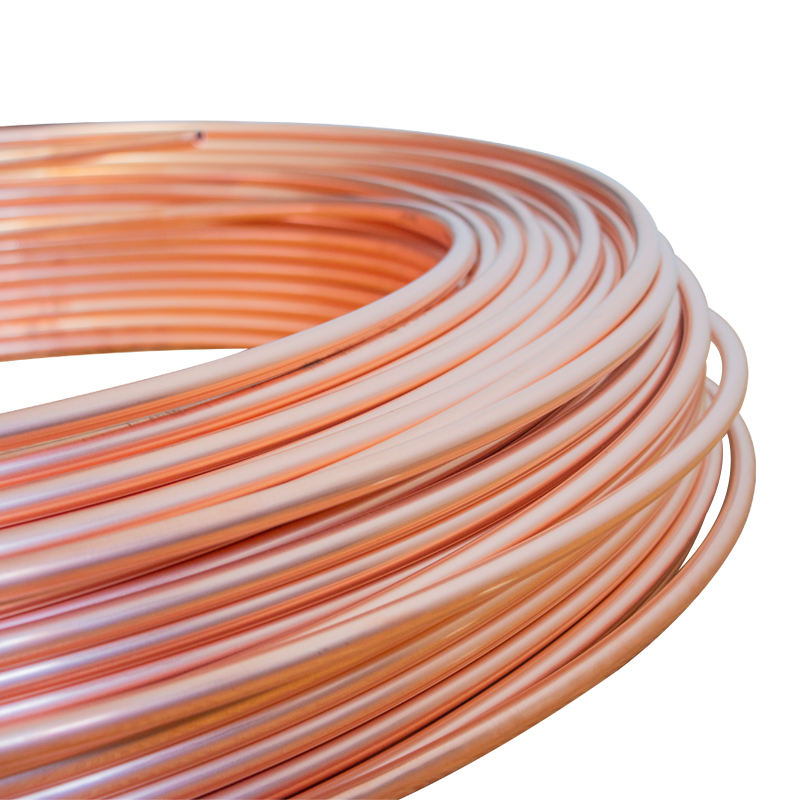
Electrical wiring is the lifeline of commercial buildings, powering lighting, HVAC systems, and critical equipment. For developers and facility managers, choosing between copper and aluminum wiring hinges on one key question: which delivers better return on investment (ROI) over a building’s 30–50-year lifespan? ROI here goes beyond upfront costs, encompassing long-term performance, energy efficiency, maintenance, and safety—factors that ultimately determine total cost of ownership (TCO).
Upfront cost is the most obvious tradeoff. Aluminum is 60–70% cheaper per kilogram than copper and 30% lighter, cutting transportation and installation costs—appealing for large-scale projects with tight budgets. Copper, by contrast, costs three to four times more upfront, with higher shipping fees due to its density. Yet short-term savings often vanish when long-term value is considered.
Electrical efficiency directly impacts ROI. Copper has the highest conductivity among non-precious metals (100% IACS), minimizing energy loss and voltage drop. For high-load commercial spaces like data centers or hospitals, this translates to lower monthly utility bills. Aluminum, with only 61% of copper’s conductivity, requires 1.2–1.5 times larger wires to match performance, and still has 30–40% more line loss—adding thousands in annual electricity costs that erase upfront savings.
Durability and maintenance further tip the scale. Copper is strong, ductile, and corrosion-resistant, with connections that last decades with minimal upkeep. Aluminum, however, is brittle, prone to expansion/contraction (causing loose connections), and forms a non-conductive oxide layer that risks overheating. This demands frequent inspections and repairs—hidden costs that erode ROI, especially in buildings where downtime is costly.
Safety also affects ROI through liability. Aluminum connections are 55 times more likely to cause fires than copper, posing risks for high-traffic commercial spaces. Specialized connectors and careful installation are required to use aluminum with modern components, adding complexity and ongoing risk.
For most commercial builds, copper delivers better long-term ROI. While aluminum may suit short-lifespan, low-load projects, copper’s efficiency, durability, and safety minimize long-term costs. The choice ultimately aligns with a building’s purpose: for high-demand, long-lifespan spaces, copper is the smarter investment in sustainable, cost-effective wiring.
Previous:None
Get real-time quotes
Interested? Leave your contact details.