
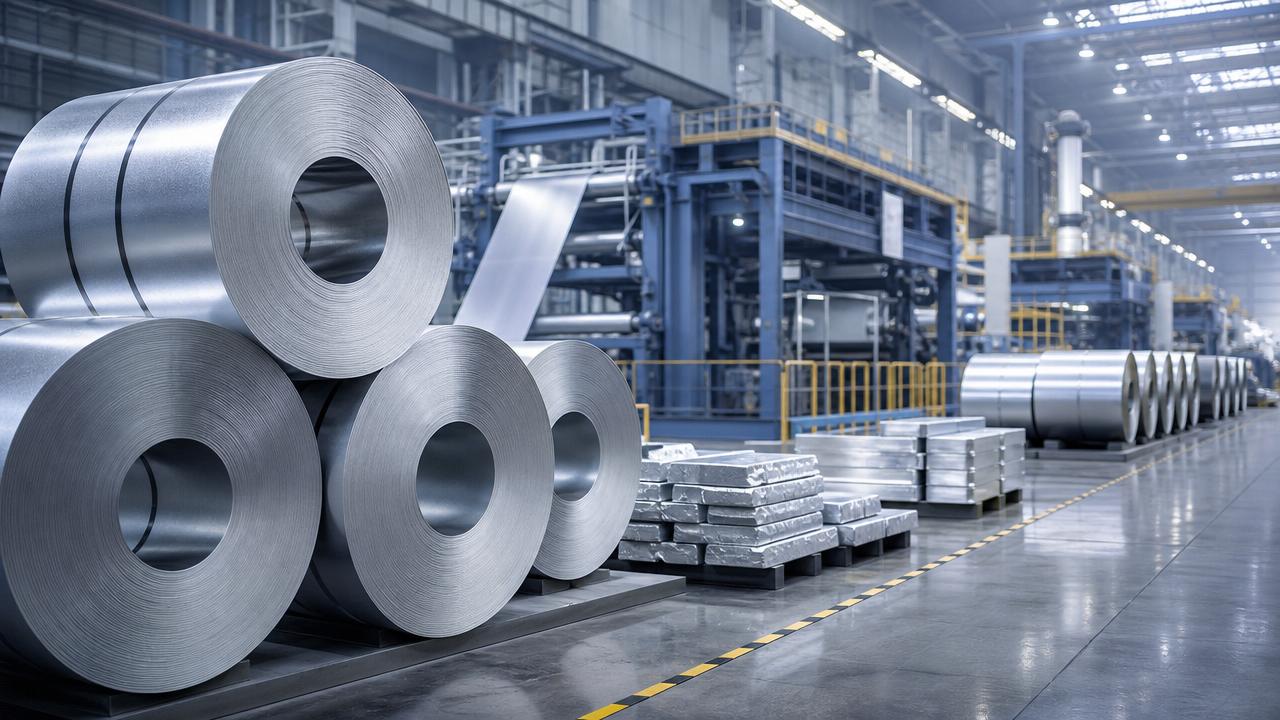
Why Hot Dipped Galvanized Steel Coil Prices Feel More Volatile Now
Hot dipped galvanized steel coil pricing rarely moves on one factor alone. Recent shifts show a tighter link between zinc costs, mill discipline, and regional order flow.
That matters because even a modest change in coating cost can quickly alter offer levels. When supply also tightens, price adjustments become sharper and faster.
In practical terms, the market is no longer responding only to base steel sentiment. Hot dipped galvanized steel coil now reflects a more complex balance of raw materials, availability, and downstream confidence.
This is why recent price discussions often begin with zinc, but they do not end there. Lead times, regional competition, energy pressure, and export flows increasingly shape the final number.
The First Signal Usually Comes From Zinc, But Supply Decides the Speed
Zinc remains the most visible cost driver for Hot dipped galvanized steel coil. When zinc futures rise, mills usually react quickly, especially for higher coating weights.
Still, zinc alone does not guarantee a lasting increase. If mill utilization is high and inventories are comfortable, buyers may resist higher offers for longer.
The more decisive change appears when zinc increases meet restricted supply. That combination shortens negotiation windows and reduces the chance of securing older price levels.
From recent market behavior, three triggers deserve close attention:
- Zinc price rallies that last more than a few sessions, not just short speculative spikes.
- Mill maintenance, output discipline, or reduced export allocation.
- A pickup in construction, appliance, or light industrial demand in one major region.
When these signals align, Hot dipped galvanized steel coil prices often move before many spot buyers fully adjust their expectations.
What Is Changing on the Supply Side
Supply looks adequate on the surface in many markets. Yet available tonnage is not the same as immediately competitive tonnage.
Some mills prioritize contract customers during uncertain periods. Others become selective on coating specifications, thickness ranges, or shipment timing.
That creates a familiar pattern. Standard material may remain easy to source, while certain commercial grades or coating requirements turn unexpectedly tight.
The result is uneven pricing rather than a single market number. Hot dipped galvanized steel coil can hold stable in one specification, while another rises on shorter supply.
This unevenness is one reason broad steel indexes sometimes fail to explain actual transaction levels for Hot dipped galvanized steel coil.
Regional Demand Is Not Uniform, and That Distorts Comparisons
A second shift is happening on the demand side. Consumption is no longer moving in one synchronized pattern across regions.
In one market, roofing and construction activity may support steady galvanized demand. In another, white goods or ducting may be the stronger pull.
That means import comparisons require more caution. A low offshore offer may look attractive, but freight, delivery timing, coating standards, and local restocking cycles can erase the headline advantage.
More importantly, regional demand changes often affect sentiment before they affect published indexes. By the time benchmark numbers confirm the move, the cheapest buying window may already be gone.
For Hot dipped galvanized steel coil, the most useful demand signals are usually indirect:
- Faster replenishment activity in service channels.
- Improved order visibility in appliance and panel applications.
- A widening gap between prompt delivery and forward shipment offers.
- Reduced discounting on standard coating specifications.
Why Margin Pressure Often Appears Before the Market Feels Strong
One difficult feature of the current cycle is timing. Input costs can rise before downstream resale prices fully catch up.
That creates a margin squeeze, especially when inventory was booked during lower-price assumptions. Hot dipped galvanized steel coil becomes harder to reposition without sacrificing spread.
The problem is not only rising price levels. Volatility itself changes behavior. Customers delay commitments, mills shorten validity periods, and smaller price gaps suddenly matter more.
Actual market friction often shows up in these areas:
- Quoted numbers age faster than before.
- Replacement cost rises while existing stock still reflects old demand conditions.
- Spot business becomes less predictable by grade and delivery window.
- Negotiation focuses more on coating and lead time, not only on base price.
This is why watching only headline steel sentiment can be misleading. Hot dipped galvanized steel coil often tightens commercially before the broader market looks obviously bullish.
The Most Useful Signals Are Usually the Ones Closest to Transaction Reality
There is no shortage of market data. The challenge is knowing which signals actually help with timing.
For Hot dipped galvanized steel coil, practical judgment usually improves when several indicators are viewed together rather than in isolation.
Watch zinc, but also watch zinc pass-through
A zinc rally matters most when mills are clearly passing it into offers. If offer revisions stay limited, the market may still be testing resistance.
Track lead times more closely than list prices
Longer lead times often reveal tightening conditions earlier than published indexes. They show when mills no longer need to compete aggressively for every order.
Separate broad supply from specification supply
A market can appear balanced while specific galvanized requirements remain tight. This distinction is critical in Hot dipped galvanized steel coil planning.
Compare regional spreads, not just absolute prices
A widening regional spread may indicate freight stress, import shifts, or local shortages. Those signals often matter more than the lowest visible quote.
A Better Response Usually Comes From Layered Buying Decisions
When price direction is uncertain, all-or-nothing buying tends to increase risk. A staged approach often creates more room to manage replacement cost and customer timing.
That does not mean waiting passively. It means building decisions around visible market checkpoints for Hot dipped galvanized steel coil.
This kind of structure helps reduce reactive buying. It also makes Hot dipped galvanized steel coil decisions easier to defend when the market turns quickly.
What to Watch Next Before Price Direction Becomes Clearer
The next phase will likely depend on whether zinc strength is temporary or sustained. If zinc softens while supply remains comfortable, galvanized prices may stabilize rather than continue rising.
If zinc stays firm and mills keep output disciplined, Hot dipped galvanized steel coil could remain supported even without a dramatic demand surge.
More worth watching is the interaction between sentiment and real orders. Markets often talk bullish or bearish before transactions fully confirm the view.
A practical next step is to keep a short review cycle:
- Check zinc direction against actual mill offer changes.
- Review lead times by specification, not only by product family.
- Compare domestic and import spreads after freight and delivery risk.
- Reassess inventory coverage against replacement cost, not old market averages.
Hot dipped galvanized steel coil price trends are still manageable, but they reward closer reading than before. The market is sending signals through zinc, supply discipline, and regional demand at the same time.
Those who track these signals together usually gain a clearer view of when to hold, when to cover, and when to wait for a better reset.
Get real-time quotes
Interested? Leave your contact details.