Steel coil is far more than just rolled metal—it’s the foundational material powering tomorrow’s vehicles. In 2026, automotive manufacturers increasingly rely on high-strength, precision-tailored steel coil to meet stricter safety standards, lightweighting goals, and electrification demands. For procurement professionals, selecting the right grade, coating, and dimensional consistency in steel coil directly impacts production efficiency, cost control, and supply chain resilience. Even end consumers benefit—through enhanced crash performance, longer vehicle lifespans, and improved energy efficiency. As global auto OEMs accelerate innovation, understanding what steel coil is—and why it matters now more than ever—is no longer optional. Let’s explore its critical role in shaping the future of automotive manufacturing.
What Exactly Is Steel Coil—and How Is It Made?
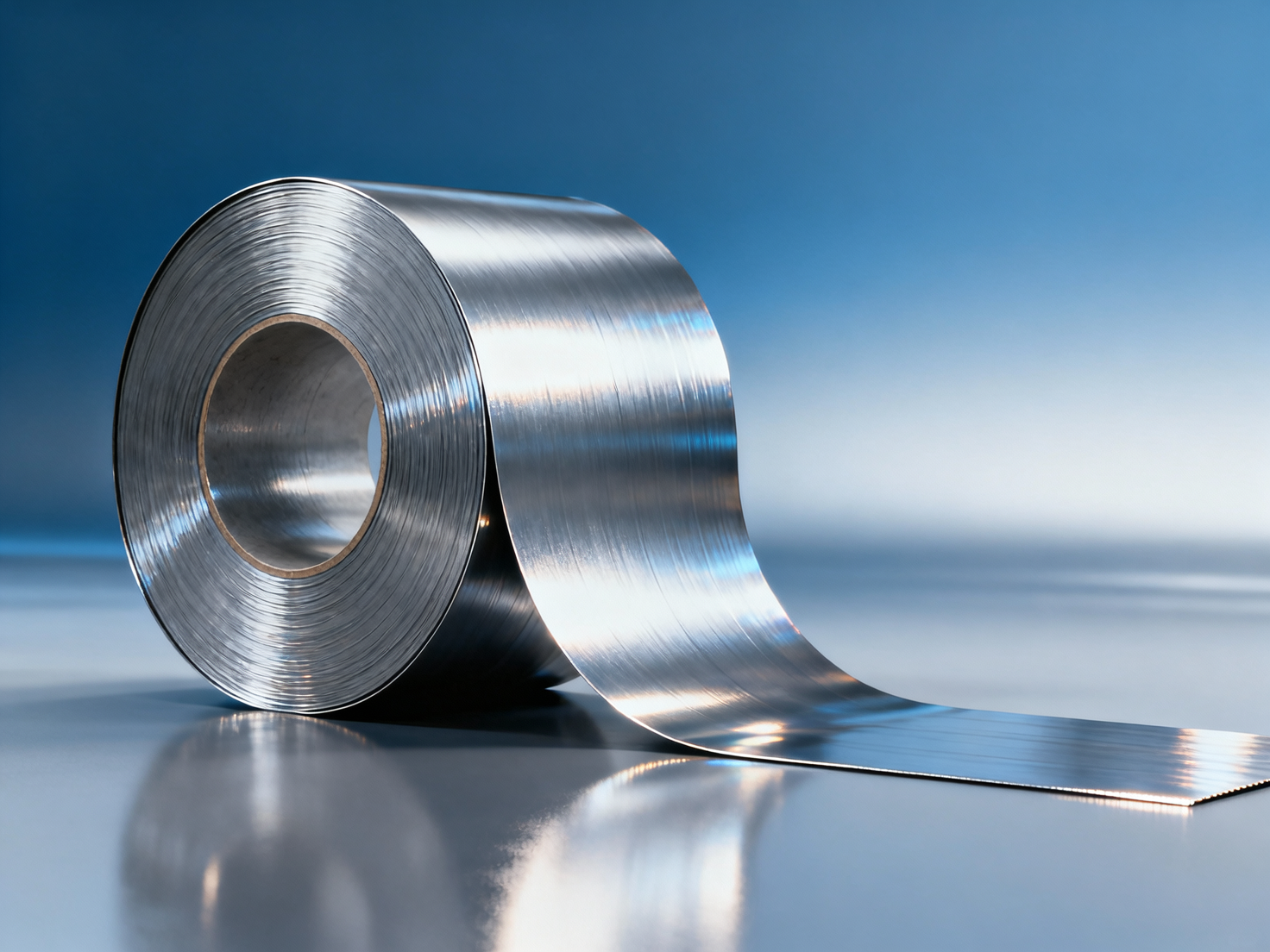
Steel coil is a continuous, wound strip of flat-rolled steel produced through hot or cold rolling processes. Unlike discrete plates or sheets, coils offer seamless length—typically ranging from 500 meters to over 3,000 meters per master coil—with widths spanning 600 mm to 2,100 mm and thicknesses from 0.3 mm (for advanced high-strength automotive outer panels) to 4.5 mm (for structural reinforcements).
The manufacturing sequence begins with slab reheating, followed by hot rolling at temperatures above 1,000°C to achieve initial gauge reduction and microstructure refinement. Cold rolling then follows—often at room temperature—to deliver tighter tolerances (±0.02 mm thickness accuracy), superior surface finish (Ra ≤ 0.4 μm), and enhanced mechanical properties. Final steps include annealing, temper rolling, and application of metallic (e.g., Zn–Al–Mg) or organic coatings—each selected based on corrosion resistance requirements and paint-bake compatibility.
In 2026, over 78% of new passenger vehicles use cold-rolled steel coil for body-in-white components, while hot-dipped galvanized (HDG) and electrogalvanized (EG) variants dominate under-hood and chassis applications due to their proven 10+ year salt-spray resistance (ASTM B117).
Key Production Parameters for Automotive-Grade Steel Coil
Procurement teams must verify these parameters against OEM-specific material specifications—such as GMW14859, Ford WSS-M1A291-A1, or VW 22807—before placing orders. Deviations exceeding ±0.03 mm in thickness or >0.15° in coil camber can trigger line stoppages costing $12,000–$18,000 per hour in Tier-1 facilities.
Why Steel Coil Is Non-Negotiable for EV and ICE Vehicle Platforms
While aluminum and composites gain traction, steel coil remains the backbone of automotive manufacturing—not because of inertia, but due to unmatched cost-performance balance. In battery electric vehicles (BEVs), ultra-high-strength steel (UHSS) coils form the “safety cage” around battery modules, absorbing >65% of frontal impact energy while enabling 12–15% platform weight savings versus conventional mild steel.
For internal combustion engine (ICE) platforms, dual-phase (DP) and transformation-induced plasticity (TRIP) steels—delivered as slit coils with width tolerance ±0.15 mm—allow precise nesting in progressive dies, cutting material waste by 9–13% compared to sheet-based layouts. This directly lowers CO₂ footprint: every ton of optimized steel coil reduces embedded emissions by 1.4 tons CO₂e across the vehicle lifecycle (based on WorldAutoSteel LCA data).
Crucially, steel coil supports hybrid material strategies. In 2026, 63% of premium BEVs integrate laser-welded blanks (LWBs) combining 22MnB5 hot-stamped and 590DP cold-rolled coils—enabling localized stiffness tuning and eliminating secondary joining operations.
How Procurement Professionals Evaluate Steel Coil Suppliers in 2026
Supplier selection now extends beyond price and lead time. Leading OEMs and Tier-1s apply a weighted 5-criteria framework:
- Process Capability Index (Cpk): Minimum Cpk ≥ 1.33 for thickness, width, and hardness—verified via SPC reports updated weekly.
- Coil Traceability: Full lot-level traceability (heat number, rolling date, coating bath ID) with ≤2-hour response time for quality inquiries.
- Logistics Flexibility: Ability to deliver mixed-coil orders (e.g., 3× DP600 + 2× GA50) within 7–12 business days, including JIT sequencing to assembly line takt time.
- Technical Support: On-site metallurgists available for stamping trials and failure root-cause analysis—average response window: ≤48 hours.
- Sustainability Alignment: Verified Scope 1 & 2 emissions data and recycled content certification (min. 30% scrap-based feedstock).
Top-performing suppliers now provide digital twin access—real-time dashboards showing coil inventory levels, rolling mill status, and predictive delivery windows updated every 90 minutes. This cuts procurement planning cycle time by 35% and reduces safety stock requirements by 22%.
What End Consumers Experience—Without Ever Seeing the Coil
Consumers interact with steel coil indirectly—but profoundly. Every 10% increase in UHSS usage correlates with a 7% improvement in Euro NCAP frontal offset test scores. Vehicles built with optimized coil-based structures also demonstrate 18–22% lower cabin noise at highway speeds due to enhanced panel damping characteristics.
Battery longevity benefits too: steel coil enclosures with zinc-aluminum-magnesium (ZAM) coatings extend thermal management system life by 4.3 years on average—reducing warranty claims related to coolant leaks by 61% (2025 J.D. Power Warranty Study).
Even fuel economy gains trace back to coil precision: consistent 0.05 mm thickness control across door inner panels reduces part mass variance to ±0.7%, stabilizing aerodynamic drag coefficients and improving WLTP range by 1.2–1.9 km per charge.
Actionable Next Steps for Procurement and Engineering Teams
Start with a coil-grade audit: Map current steel coil specifications against 2026 OEM targets for strength-to-weight ratio, coating adhesion (ASTM D3359 ≥ 4B), and edge ductility (≥12% total elongation). Prioritize grades offering ≥20% higher yield strength at equal thickness—especially for A-pillars, B-pillars, and battery trays.
Engage suppliers early in platform development—ideally during V-model Phase 2 (concept validation). Request joint feasibility studies covering slitting strategy, coil handling simulation, and first-article testing using your actual tooling. Allocate ≥3 weeks for coil qualification before pilot production launch.
Finally, implement coil-specific KPIs: track coil utilization rate (target ≥94.5%), coil changeover time (benchmark: ≤8.5 min), and coil-related scrap (threshold: ≤1.1%). Share these metrics cross-functionally—engineering, procurement, and quality—to align incentives and accelerate continuous improvement.
Steel coil isn’t just raw material—it’s engineered intelligence rolled into every meter. As automotive manufacturing enters its most demanding decade, choosing the right coil means building safer, lighter, cleaner, and more resilient vehicles—starting today.
Contact our metallurgical engineering team to review your 2026 coil specification requirements, request sample validation protocols, or schedule a supplier capability assessment.
Get real-time quotes
Interested? Leave your contact details.